
Uncovering the Past
After OOM-A-GOG came home, a colleague and I spent several days hunched over laptops, buried in archive.org, chasing down every digitized newspaper page and forgotten corner of the web that might mention him. It's slow, unglamorous work — most searches turn up nothing, and the ones that do often just confirm something you already suspected. But every so often you find a thread worth pulling, and this whole site exists because a few of those threads actually led somewhere.
The single richest vein turned out to be Tulsa TV Memories, a long-running local nostalgia site that had reprinted, by permission, two old Tulsa World articles by writer John Wooley. The 1989 piece isn't about the Hargis years at all — it's built on an interview with Bill Blair and covers OOM's original run on the air. The 1993 follow-up is the one that actually picks up the Hargis family chapter. Between the two, they account for most of what we know about OOM's life both on the show and long after it ended. Without that site keeping those clippings alive online, this whole part of the story might have stayed lost.
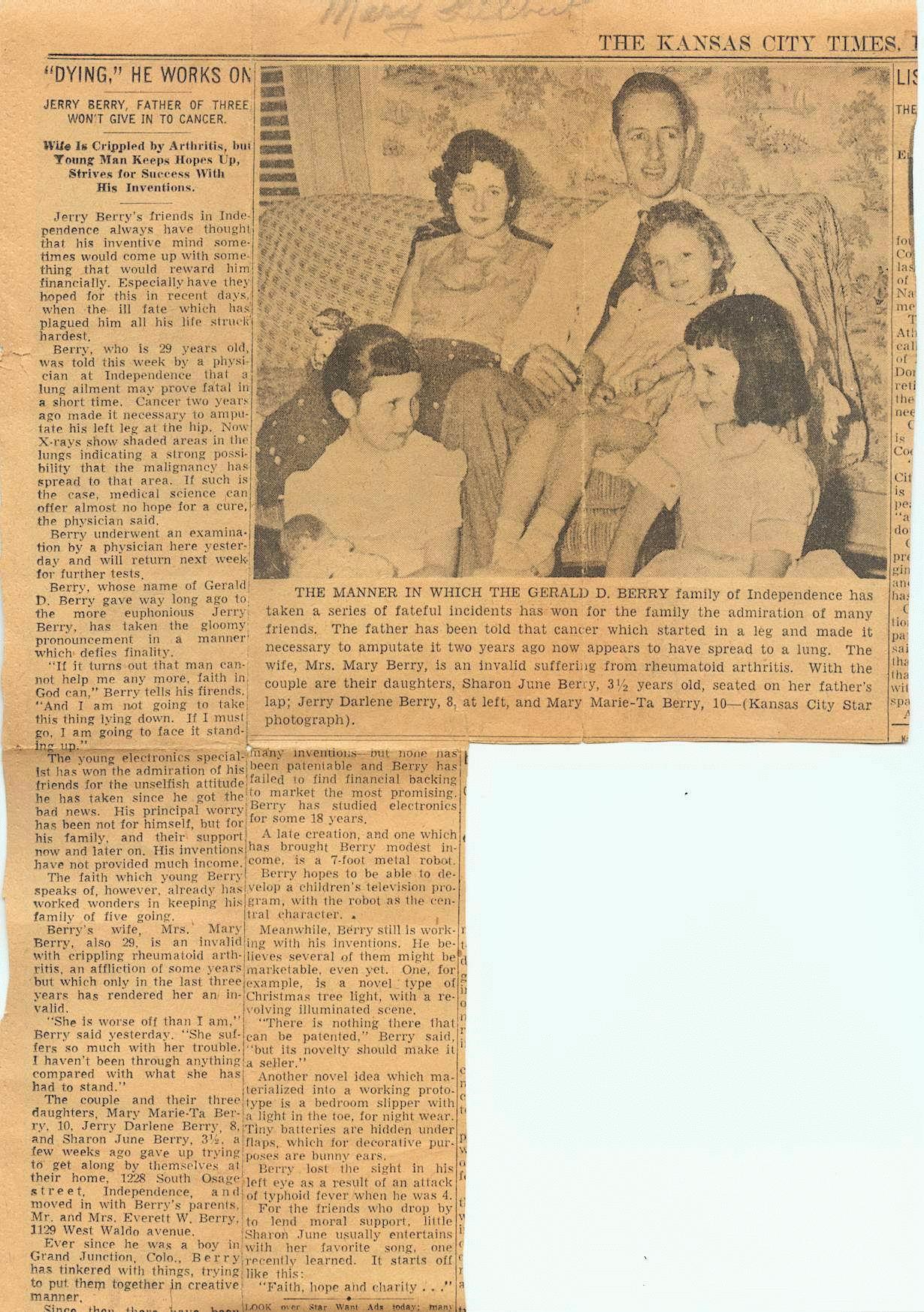
From there, the trail went further afield than Tulsa. A blog called Black Gate had published a 2018 piece rounding up several regional kiddie-show robots from the same era, built on direct interviews with both Alan Lambert ("Captain Alan" himself) and Sharon Berry, daughter of Jerry Berry — the Kansas City inventor who built the very first Oom-A-Gog back in 1956. That same Kansas City connection led us to cyberneticzoo.com, an oddly specific but wonderfully deep archive of early robot history, which had its own account of Jerry Berry's original build for the "Dr. N. Ventor" show on WDAF.
We also leaned on more conventional sources to keep the details honest: Wikipedia and the Encyclopedia of Arkansas for verifying the Hargis family's broader history, and Find A Grave and newspaper obituary archives for filling in Billy Hargis II's own life story. Most of this digging, in fact, was done in service of KJRH's own 2024 story on OOM's homecoming — the research came first and fed directly into how that story got told, rather than the other way around. Not everything panned out — plenty of searches dead-ended in aggregator reposts or one-line mentions with no real substance — but stitched together, these sources gave us something we didn't have before: a version of OOM-A-GOG's story that's actually been checked against the record, instead of just handed down secondhand.
This page will keep growing as we keep digging. If you've got a scrap of information, a newspaper clipping, or even a fuzzy memory that might fill in a gap, we'd love to hear about it.